


THE SENSEMAKING LAB
When you’re not sure what to do next.
A 3-month small-group consultation experience for families navigating tensions, conflicts, and uncertainty especially when the usual advice isn't working. Led by Zach Morris, M.Ed., who has spent 15+ years working with neurodivergent students and families.
For parents and caregivers of PDA, autistic, and ADHD (including AuDHD) kids, teens, and young adults.
THREE MONTHS
SIX FAMILIES
WEEKLY LIVE CALLS
Applications for the January-March cohort close November 20th.
Takes about 7–10 minutes. No payment is required to apply.
A Note From Zach About The Sensemaking Lab
Hear why Zach created this group and what makes the experience different.
MAYBE…
When you’re trying to figure out what your student needs

Getting out the door has become a daily negotiation, and you're questioning how much to encourage, when to back off, and what you're supposed to do when neither seems to help.
Your student wants to do something and can't seem to get themselves there, and you're struggling to understand what's getting in the way.
People around you keep offering conventional solutions that sound simple from the outside, and those solutions aren't working with your student.
Your student is deadset on trying something you've already seen not work for them, like returning to a certain school. You think a different approach might be better, but you're struggling to agree on what to do next.
You can see areas where your student may need support, but every attempt to communicate about what's happening or figure out how to help, breaks down and leads to conflict.
You're watching your student struggle with something and you can't get enough information from them to understand what's actually wrong or what would help.
You've learned a lot about PDA, autism, or ADHD, but applying that knowledge to your student's unique situation is where you're getting stuck.
Something just isn't working anymore, and you're at the point of asking, “Okay... what do we do now?”
The Sensemaking Lab starts there: with the situation that's actually happening, making sense of what may be underneath it, and figuring out where we can go from here.
“Zach not only worked with our son but, with
us as a family to improve our communication
and our understanding of each other too.”
~ T's Parents
Bring the situation you’re actually trying to navigate.
You aren't coming into The Sensemaking Lab to work through a predetermined curriculum.
You're bringing the real situations, questions, and uncertainties you're trying to make sense of with your student.
On the deeper consultation calls, Zach stays with the situation long enough to understand its context. He can ask questions, hear what's already been tried, understand more about your student and family, and explore what might be happening underneath what you're seeing.
Together, you'll look for new places to start, possibilities you may not have considered, and directions for what to try next.

What 3-months in The Sensemaking Lab looks like

Weekly 60-minute live calls
3 x calls per month focus on deeper consultation, with 2 pre-submitted cases explored per call. This gives participants focused, individualized time with Zach around what they're actually navigating.
1 x call per month shifts into an open group conversation, with space for shorter questions, situations that have evolved, and new things that have come up throughout the month.
Private Mighty Networks community
Your cohort will have its own private space in Mighty Networks to stay connected between calls, submit cases for consultation, and access everything included in the experience.
Participation between calls is available, not obligatory. The space is there for you to feel supported, connect with other cohort members, and access resources, but is not meant to feel like another assignment you have to keep up with.

Post-call synthesis videos
The live weekly calls are not recorded. Instead, Zach creates a short synthesis after each session, preserving important themes and learning while protecting the privacy of the conversations themselves.
You can return to these throughout the cohort as situations evolve and different ideas become relevant.

Monthly Open Learning Calls included
You'll also get free access to Alive at Learn's public monthly Open Learning Calls and their recordings. These calls are live Q&A conversations where Zach explores questions and real-life situations within his wider community.
30-days of additional access
After the 3-month cohort container ends, you'll still have an additional 30-days to access your private cohort space, synthesis videos, and included resources.

A Small Group That Actually Gets It
It can be isolating when the people around us care, but don't really understand what we're navigating.
Inside this group, people may be supporting very different students and very different situations, but there's a shared understanding that these things are rarely as simple as they look from the outside.
With a maximum of 6 families together for 3-months, we begin to know the context behind one another's situations. We don't have to start from zero every week. There's room to be honest about what's hard without first having to convince everyone that it really is hard. That’s why Zach is so intentional about selecting each of the six families, considering where they are in their journeys to create a foundation of shared understanding from the start.
Over time, there's an opportunity to know and be known by people who get it, to follow what happens next, notice when something shifts, and feel understood when something that looks small from the outside feels enormous.
The hope is that you leave not only with new ways of making sense of what's happening, but also with a stronger sense that you don't have to make sense of it alone.
Unhelpful questions you may have heard:
Why can't they just go?
Why don't you just take the device away?
Why are you letting them avoid it?
Have you tried being more consistent?

The goal isn't to give you an answer for only one situation
You may come to The Sensemaking Lab because there's something happening right now that you desperately want help making sense of. But our work goes further than that.
Across 3-months, you'll also see that process unfold again and again, through your own situations and the situations of others. You'll practice slowing things down, looking beyond the most obvious explanation, considering what your student may be communicating, and finding new places to start.
There will always be another situation we couldn't have predicted in advance. The goal is to help with what's happening now while building more ways to understand, explore, and respond to whatever comes next.

Understand
Make sense of what's really happening.

Build Skills
Develop practical ways to move forward.
Feel More Prepared
Approach future challenges with more confidence.
through the people supporting them.
We work with students
Who The Sensemaking Lab is for
The Sensemaking Lab is designed for parents, caregivers, and other adults supporting a PDA, autistic, or ADHD (including AuDHD) student who is navigating uncertainty, tension, or situations they want help making sense of.
This may be a good fit for you if…

You're navigating recurring situations with your student that you're struggling to understand or know how to approach.
You'd value focused consultation around what's actually happening with your student.
You're open to exploring different perspectives rather than looking for a prescribed behavioral program.
You'd value learning alongside a small group of families navigating their own complex situations.
You're comfortable talking about your family's experiences within a private small-group setting.
You're just starting to explore PDA, autism, ADHD, AuDHD or you've been on the journey for a while.
This may not be the right fit if…

You're looking for Zach to work directly with your student.
You're looking for a prescribed curriculum or step-by-step behavioral program.
You’re in need of support that’s more in line with clinical treatment, therapy, or crisis support.
You're unable to commit to joining weekly 60-minute calls.
A group consultation environment doesn't feel appropriate for what you're navigating right now.
Who participates?
One or two adults supporting the same student may participate. That might be two parents, a parent and partner, a parent and grandparent, or another caregiving combination that makes sense for your situation.
Whoever will participate should be established before the cohort begins and plan to participate consistently throughout the 3-months. Because we'll be discussing personal and sometimes sensitive experiences, that consistency helps create the trust, predictability, and safety the group needs.

Does my student participate?
No. The student does not participate in cohort calls. The work happens with the adults supporting them.
WHO YOU’LL BE DOING THIS WORK WITH…
Zach Morris
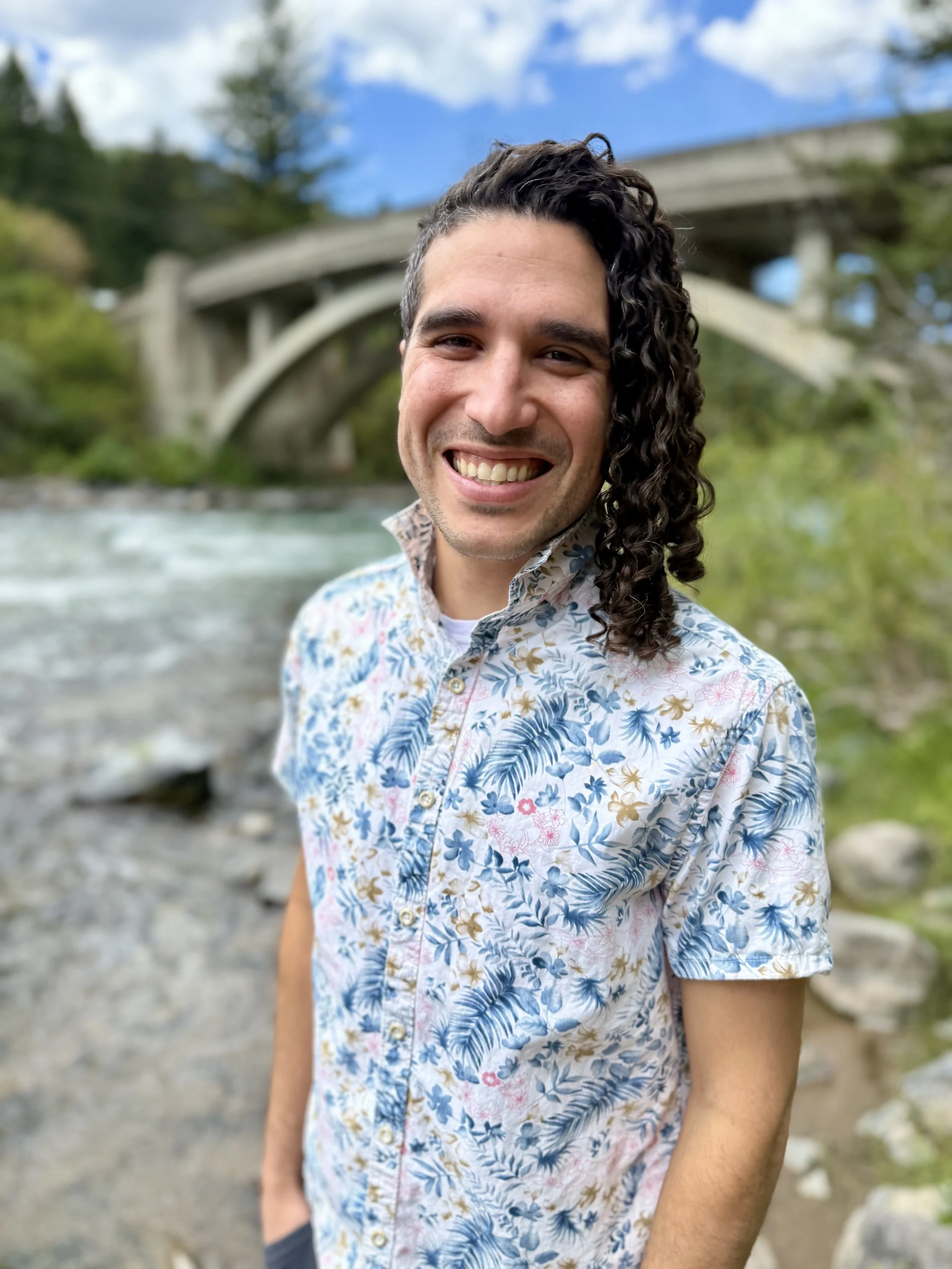
Zach Morris, M.Ed. is the founder of Alive at Learn and has spent 15+ years working with neurodivergent students and their families across public, private, therapeutic, and homeschool settings.
His work is grounded in understanding what may be happening underneath the behaviors, conflicts, and patterns we see, and helping the people supporting a student find approaches that prioritize connection, communication, safety, and autonomy.
Zach specializes in complex neurodivergent experiences, particularly PDA, autism, and ADHD. His approach draws from years of working alongside students and families whose experiences don't always fit neatly into traditional educational or behavioral frameworks.
What families who have worked with Zach say:
“When I think of where our family would be without the sound guidance of Zach, I shudder. Before we found Alive at Learn, my husband and I were exhausted and bewildered, our PDA daughter was in school refusal, and our younger daughter existed in misery, stuck in the middle. But, then we began meeting with Zach. His knowledge helped us grow our understanding of our PDA daughter’s burnout, his grace for us as we waded through our anger and grief allowed our family to heal, and his offerings of alternative paths for our daughter provided a glimpse into a future we had thought would be impossible. Our PDA daughter is now living independently, holding down a job, and taking college classes where she is exploring a whole world of possibilities for herself. And we are a family again. Imperfect, but making our ways together.”
~ L & A’s Parent
“The feeling of safety, connection and purposeful work that Zach cultivates in the learning experience is amazing.”
~ T's Parent
“As parents, we were not sure how to support him... Zach helped us improve our communication and reduce conflict at home.”
~ E’s Parent

The Investment
The 3-month Sensemaking Lab experience is:
3 monthly payments of $375
- $1,125 total
Or
$1,000 paid in full
Save $125 when you pay for the full three-month experience upfront.
Payment is only requested if you're invited to join the January-March cohort.
The Sensemaking Lab is intentionally limited to 6 families. Because we'll be spending 3-months discussing personal situations together, creating a group that can work well together matters.
Zach will review each application with both the individual family and the group as a whole in mind.
Applications are not first come, first serve.
You'll hear if you're selected for the January-March cohort by mid-December. If you're not selected this round, you'll remain on the waitlist for future Sensemaking Lab cohorts so you can be paired with a group that is aligned with where you are in your journey.
No payment is required to apply.
Why an application?
Applications close November 20th
Takes about 7–10 minutes
No payment required

Frequently Asked Questions
Here are answers to some of the most common questions about The Sensemaking Lab:
-
The Sensemaking Lab is designed as a weekly cohort experience, not a drop-in group, and we strongly encourage you to apply only if you expect to be able to participate in the weekly calls throughout the full 3-months.
Of course, life happens. Illness, emergencies, scheduling conflicts, and unexpected circumstances may occasionally mean you need to miss a session. Missing a call once in a while isn't the issue. What we're asking for is the intention and availability to participate consistently.
Because the private calls are not recorded, there won't be a replay of a session you miss. You'll still have access to Zach's post-call synthesis, which captures important themes and learning from the conversation without recording the private consultation itself.
-
The day and time will be determined once Zach finalizes the group in mid-December so he can pick a day & time that best aligns with the families selected.
Calls will be 60 minutes on Zoom, accessed through your cohort’s private Mighty Networks space. If you already know about a standing conflict such as a day you’re never free, please mention that in your application.
-
Before consultation calls, you'll have an opportunity to submit a situation or question you'd like Zach to explore with you. Each consultation call focuses on two pre-submitted cases.
Zach will review submissions and decide what to bring forward based on what's happening across the cohort, including when something feels particularly timely. There isn't a predetermined rotation, and he'll check in at the beginning of each call to make sure a selected situation is still relevant and something you're comfortable exploring that day.
-
No. A formal diagnosis is not required. Alive at Learn works with students and families with and without formal autism, ADHD, or PDA diagnoses.
The Sensemaking Lab is centered around the situations you're navigating with your student, not whether they meet a particular diagnostic criteria. If you're supporting a neurocomplex student and the experiences described on this page feel relevant to what you're navigating, you're welcome to apply.
-
Your private Mighty Networks space is the cohort's home base between sessions. It's where you'll submit cases, access call information, synthesis videos and included Open Learning Calls, and connect with others in the group.
Participation between calls is optional. The community is primarily a space for the cohort to connect with each other and access resources, rather than an additional consultation channel with Zach. He'll stay aware of what's being discussed, but you should not expect individual responses or additional consultation between sessions.
-
You'll retain access to the private cohort space for an additional 30-days.
During that time, you can revisit synthesis videos and other cohort resources, access included Open Learning Call recordings, and wrap up conversations or connections within the group.
After those additional 30-days, access to the private Sensemaking Lab space ends.
-
The Sensemaking Lab is a 3-month commitment, and each enrollment reserves one of only 6 spaces in the cohort. There is no payment required to apply.
If you're invited to join and choose to enroll, payments for the cohort are non-refundable, and selecting the monthly payment option is still a commitment to the full 3-months.
Full purchase, cancellation, and participation terms will be provided for review before any payment is made.
-
It is possible, yes. Zach will personally review all applications, considering each family's individual circumstances, where they are in their journey, and how those factors might shape the experience of the group as a whole. This is why applicants aren't selected on a first-come, first-served basis.
Not being selected for January doesn't diminish the importance of your family's experiences or mean the Sensemaking Lab wouldn't be valuable for you. It simply means a future group may be a better fit.
If you're not selected for January, your application will remain on the waitlist for future Sensemaking Lab cohorts. We'll be in touch with more information about the waitlist once the January group has been finalized in mid-December.

TAKE THE NEXT STEP.
You don't have to figure out what comes next alone
Maybe there's one situation that brought you here. Maybe there are several. Maybe you just know that something isn't working, and you're not sure where to go next.
Bring what's actually happening. That's where we'll start.
Applications for the January-March cohort close November 20th. No payment is required to apply.